
“If I die, pls go after em”: Chiefs Fight for Justice After Tragic Death of 31-Year-Old Indigenous Mother

-
Posted by Shelby Percival
- Posted in BlogsNews
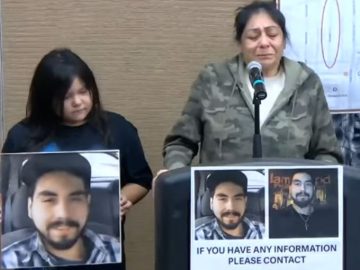
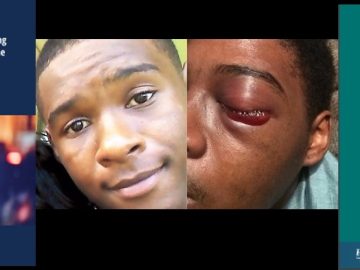
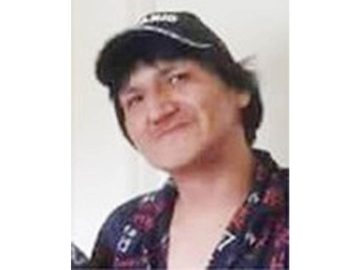
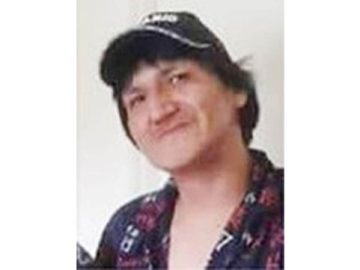
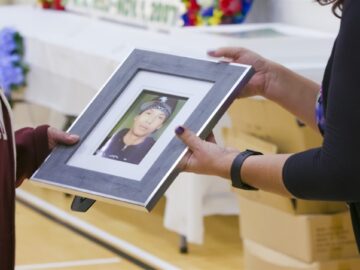
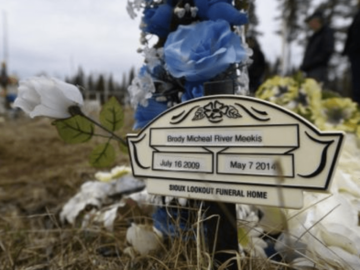
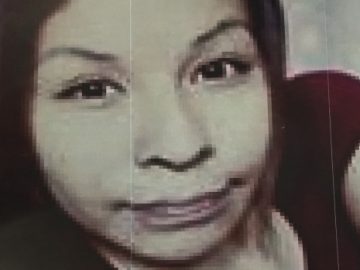
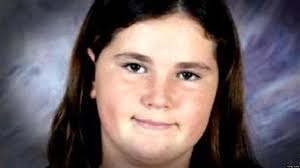
“If I die, pls go after em”. These words, posted to Facebook by 31-year-old mother of three Miranda Mamakwa, stand as a harrowing indictment of systemic failure. On September 8, 2026, Miranda, a member of the Fort Severn First Nation, passed away from a brain hemorrhage just months after undergoing open-heart surgery. She was forced to miss four critical follow-up appointments with her medical specialists because the federal Non-Insured Health Benefits (NIHB) program repeatedly failed to arrange her medical transportation. Speaking out to The Canadian Press, her mother, Eva Mamakwa, shared the excruciating grief of a family left behind, noting that Miranda’s three young children, aged 7, 9, and 11, are left struggling, frequently crying for their mother and visiting her grave. “I don’t want this to happen to anyone else,” Eva said.
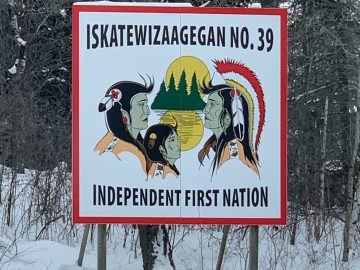
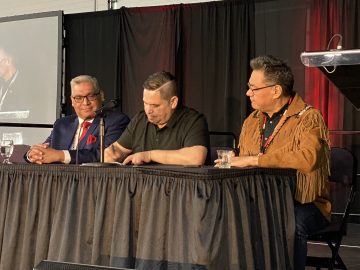
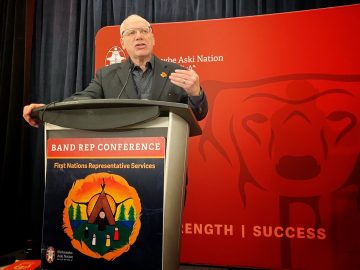
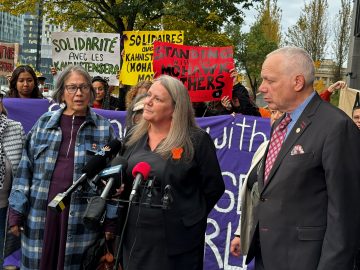
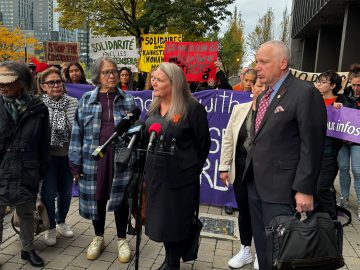
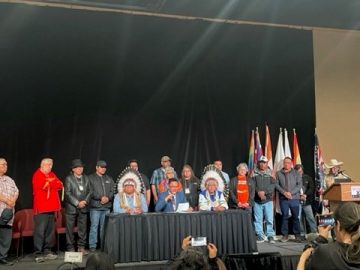
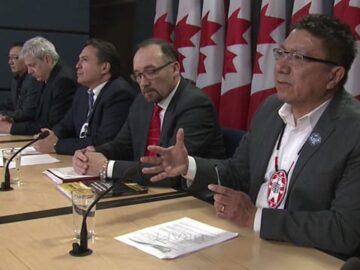
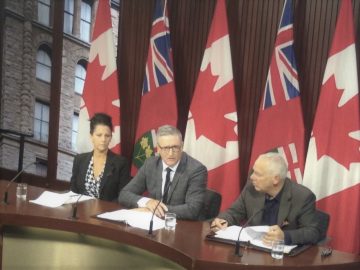
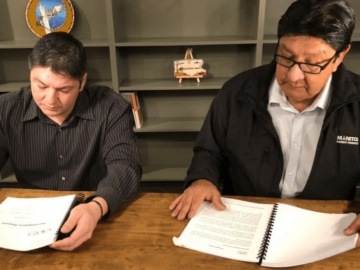
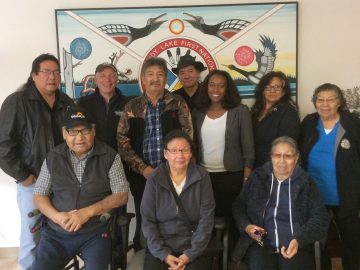
In direct response to Miranda’s dying plea, an expanded coalition of more than a dozen First Nations and tribal councils (led by Wunnumin Lake First Nation, Matawa Chiefs Council, and Windigo First Nations Council) filed a comprehensive human rights complaint against Indigenous Services Canada (ISC) on October 1, 2026. The complaint alleges widespread neglect and systemic discrimination by the NIHB, whose routine administrative failures effectively deny life-sustaining healthcare to remote, fly-in communities. The coalition is now seeking sweeping structural overhauls as well as $20,000 in damages for individual that missed a medical appointment, and a further $20,000 for each of those individuals as compensation for damages due to Canada’s willful and reckless conduct.
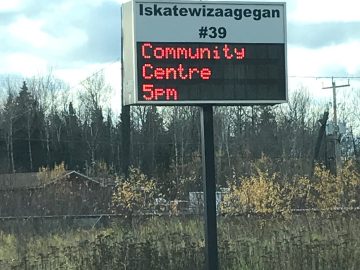
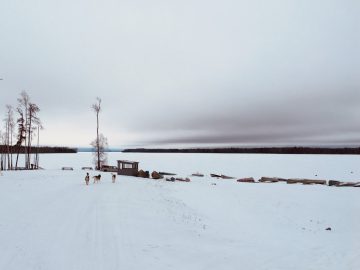
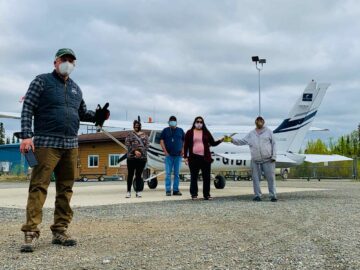
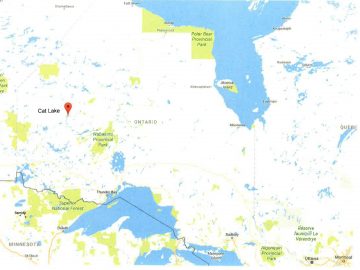
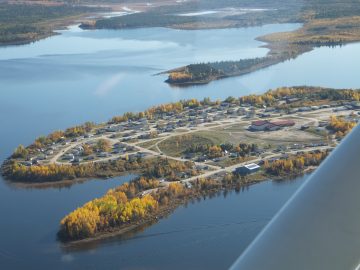
The depth of this administrative breakdown is underscored by the reality of remote northern communities like Wunnumin Lake, an 800-person community with no full-time doctor that suffered 147 missed medical appointments due to NIHB not arranging for their medical transportation between March 2025 and March 2026 alone. Leadership reports a growing list of vulnerable members in immediate jeopardy without approved travel.
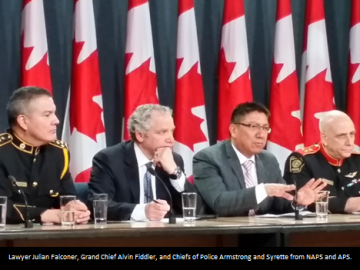
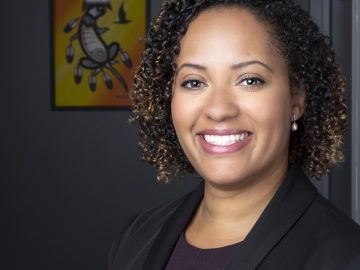
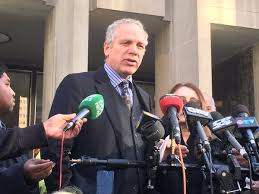
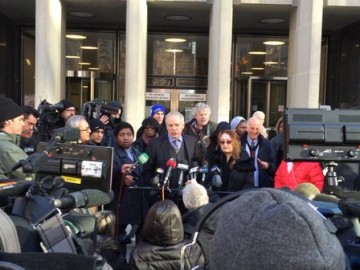
First Nations chiefs emphasize that this is a completely solvable administrative issue that could be fixed in a single day if proper resources and local coordinators were deployed. Despite the life-or-death urgency of this crisis, the Canadian Human Rights Commission has yet to issue more than an automated email response to the filed complaint. We urge the Commission to immediately expedite this complaint, because while bureaucratic delays continue, First Nations lives remain at immediate risk. Falconers LLP is deeply honoured to represent First Nations leadership in this vital pursuit of accountability.
Supporting Documents
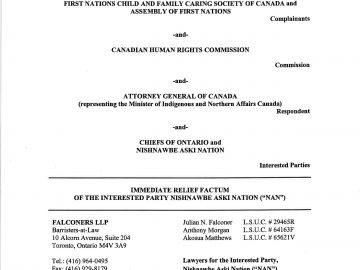
- Canadian Human Rights Commission Complaint Submissions.
- Background for Media re CHRC Complaint
- Backgrounder for Media re Miranda Mamakwa
Media
- Liam Casey and Alessia Passafiume, The Canadian press (October 20, 2026) – “Mother of First Nation woman who couldn’t get medical transport and died seeks reform”.
- Canadian Healthcare Network (September 29, 2026) – “’Her family deserves answers’: Indigenous physicians call for inquiry after First Nations woman’s death”.
- Indigenous Physicians Association of Canada (September 24, 2026) – “IPAC stands in solidarity with the family of Miranda Mamakwa, Fort Severn First Nation, Sioux Lookout First Nations Health Authority and Nishnawbe Aski Nation”.
- Maya Ekman, NWO NewsWatch (September 14, 2026) – “Woman dies after saying NIHB failed to arrange travel”.
- Jesse Staniforth, APTN News (September 11, 2026) – “NAN blames Ottawa for death of Fort Severn First Nations woman”.
- Sioux Lookout First Nations Health Authority (September 10, 2026) – “JOINT STATEMENT: SLFNHA and NAN Demand Accountability in the Death of Miranda Mamakwa”.
- Sarah Law, CBC News (June 9, 2026) – “Grand Chief calls Non-Insured Health Benefits program ‘Canada’s worst insurance company’”.